
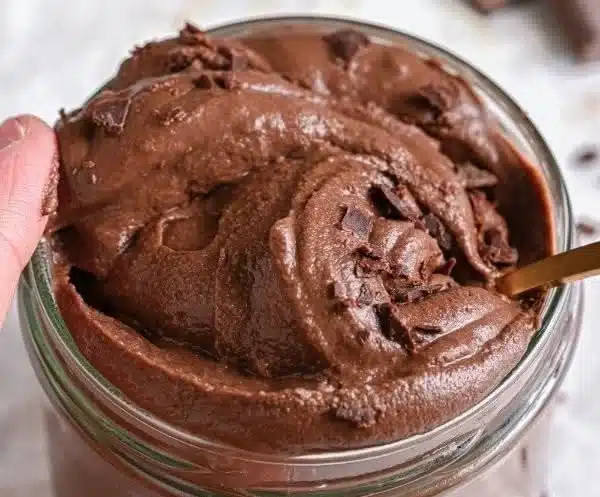
How to make Pudding Yourself
Making your own pudding at home is not only easy but also ensures you know exactly what goes into it. This recipe focuses on creating a protein-rich, low-carb pudding that is perfect for anyone looking to satisfy their sweet tooth while keeping their diet in check.
Ingredients:
- 2 cups unsweetened almond milk
- 1/2 cup protein powder (vanilla or chocolate flavor works best)
- 1/4 cup unsweetened cocoa powder (if making chocolate pudding)
- 1/4 cup erythritol or your preferred low-carb sweetener
- 1 tablespoon vanilla extract
- 2 tablespoons cornstarch
- A pinch of salt
Directions:
-
Mix Dry Ingredients: In a mixing bowl, combine the protein powder, cocoa powder (if using), erythritol, cornstarch, and salt. Mix well to ensure there are no lumps.
-
Add Milk: Gradually add the unsweetened almond milk to the dry mixture while whisking continuously. This step will help prevent clumps from forming.
-
Heat the Mixture: Pour the combined mixture into a saucepan over medium heat. Continuously stir until the pudding begins to thicken, about 5-10 minutes.
-
Remove from Heat: Once the pudding has reached your desired consistency, take it off the heat and stir in the vanilla extract.
-
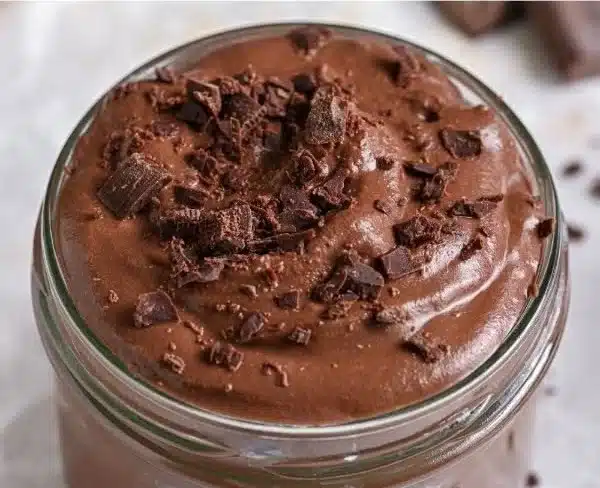
Cool and Serve: Transfer the pudding into serving bowls or a larger container. Allow it to cool at room temperature for a little while, then refrigerate to further thicken. Chill for at least one hour before serving.
Why You’ll Love This Pudding
This pudding is a game-changer for anyone who loves desserts but wants to stay healthy. It’s creamy, rich in flavor, and full of protein, making it a great choice for a snack or a low-carb dessert. Here are a few reasons why you’ll adore this homemade pudding:
- Easy to Make: The entire process takes less than 30 minutes, and most of the ingredients are likely already in your pantry.
- Customizable: You can change flavors by switching up the protein powder or adding different extracts (like almond or coconut).
- Healthy Option: With low carbs and high protein, it’s a guilt-free dessert.
Nutritional Benefits
This protein-rich pudding comes with several nutritional benefits:
- High in Protein: The protein powder provides a significant protein boost, supporting muscle growth and recovery.
- Low in Carbs: Using erythritol or another sugar substitute keeps the carbs low, perfect for those on low-carb diets.
- Dairy-Free: Using almond milk makes it suitable for those who are lactose intolerant or following a vegan diet.
What to Serve With Pudding
This pudding can be enjoyed on its own, but if you’re looking to elevate your dessert experience, consider serving it with:
- Fresh Berries: Strawberries, raspberries, or blueberries add fresh flavor and color.
- Whipped Cream: A dollop of sugar-free whipped cream makes it richer.
- Chopped Nuts: Sprinkle some almonds or walnuts for a crunchy texture.
How to Store Pudding
To store your pudding:
- In the Refrigerator: Keep the pudding in airtight containers. It can last for 3-5 days in the refrigerator.
- Avoid Freezing: Pudding doesn’t freeze well, as it may change texture after thawing.
Tips and Mistakes to Avoid
- Do Not Rush the Heating Process: Stir continuously and don’t turn up the heat too high; this will ensure an even and creamy texture.
- Choose the Right Protein Powder: Check for any artificial sweeteners or ingredients that you might want to avoid.
- Adjust Sweetness: Taste test the pudding before it cools. You can always add a bit more sweetener if you prefer it sweeter.
Variations
Feel free to experiment with these variations:
- Chocolate Hazelnut: Add a tablespoon of hazelnut butter for a chocolaty treat.
- Caramel Pudding: Use caramel extract instead of vanilla and mix in some chopped pecans.
- Coconut Pudding: Substitute half of the almond milk with coconut milk and add shredded coconut on top.
FAQs
1. Can I use regular milk instead of almond milk?
Yes, regular milk can be used, but it may increase the carb content. If you’re aiming for low-carb, stick with almond or another low-carb milk option.
2. Is this pudding safe for children?
Absolutely! It’s a healthier choice compared to store-bought puddings. Just adjust the sweetener to taste.
3. How can I thicken the pudding if it doesn’t set?
If your pudding doesn’t thicken as expected, you can return it to the heat and whisk in a little more cornstarch mixed with cold water. Heat until it thickens, then chill again.
4. Can I make this pudding ahead of time?
Yes! This pudding stores well in the refrigerator, making it a great make-ahead dessert for busy days.
5. How can I make this pudding vegan-friendly?
To make it vegan, simply use a plant-based protein powder and a non-dairy milk alternative, like coconut milk or oat milk, while still maintaining the recipe’s overall low-carb profile.
Homemade protein-rich pudding offers a delightful and nutritious way to indulge your sweet cravings without compromising your dietary goals. Enjoy making it, and feel free to personalize it to suit your taste!
Protein-Rich Low-Carb Pudding
Ingredients
Dry Ingredients
- 1/2 cup protein powder (vanilla or chocolate flavor) Choose a low-carb protein powder without artificial sweeteners.
- 1/4 cup unsweetened cocoa powder Optional if making chocolate pudding.
- 1/4 cup erythritol or preferred low-carb sweetener Adjust based on taste preference.
- 2 tablespoons cornstarch Used for thickening.
- 1 pinch salt Enhances flavor.
Liquid Ingredients
- 2 cups unsweetened almond milk Can substitute with another low-carb milk option.
- 1 tablespoon vanilla extract For flavor.
Instructions
Preparation
- In a mixing bowl, combine the protein powder, cocoa powder (if using), erythritol, cornstarch, and salt. Mix well to ensure there are no lumps.
- Gradually add the unsweetened almond milk to the dry mixture while whisking continuously to prevent clumps.
Cooking
- Pour the combined mixture into a saucepan over medium heat. Continuously stir until the pudding begins to thicken, about 5-10 minutes.
- Once the pudding has reached your desired consistency, take it off the heat and stir in the vanilla extract.
Cooling
- Transfer the pudding into serving bowls or a larger container. Allow it to cool at room temperature for a bit, then refrigerate to further thicken. Chill for at least one hour before serving.