
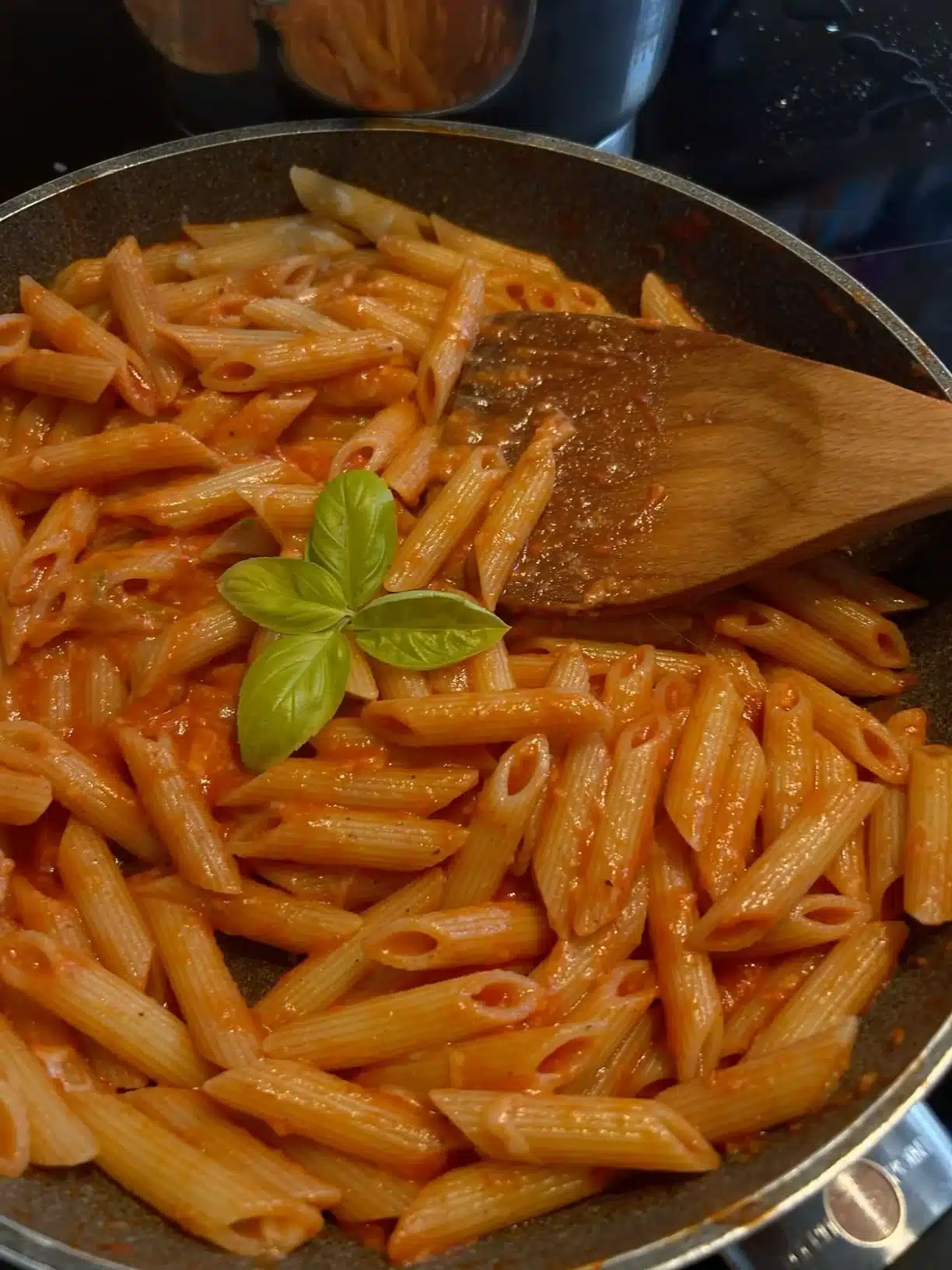
How to make Pasta
Ingredients:
- 2 cups all-purpose flour
- 3 large eggs
- 1 teaspoon salt
- 1 tablespoon olive oil
- Water (as needed)
Directions:
-
Prepare the Dough:
Start by placing the flour on a clean work surface. Create a small well in the center of the flour mound. Add the eggs, salt, and olive oil into the well. -
Mix the Ingredients:
Using a fork, slowly mix the flour into the eggs until combined. Once it starts to come together, use your hands to knead the dough.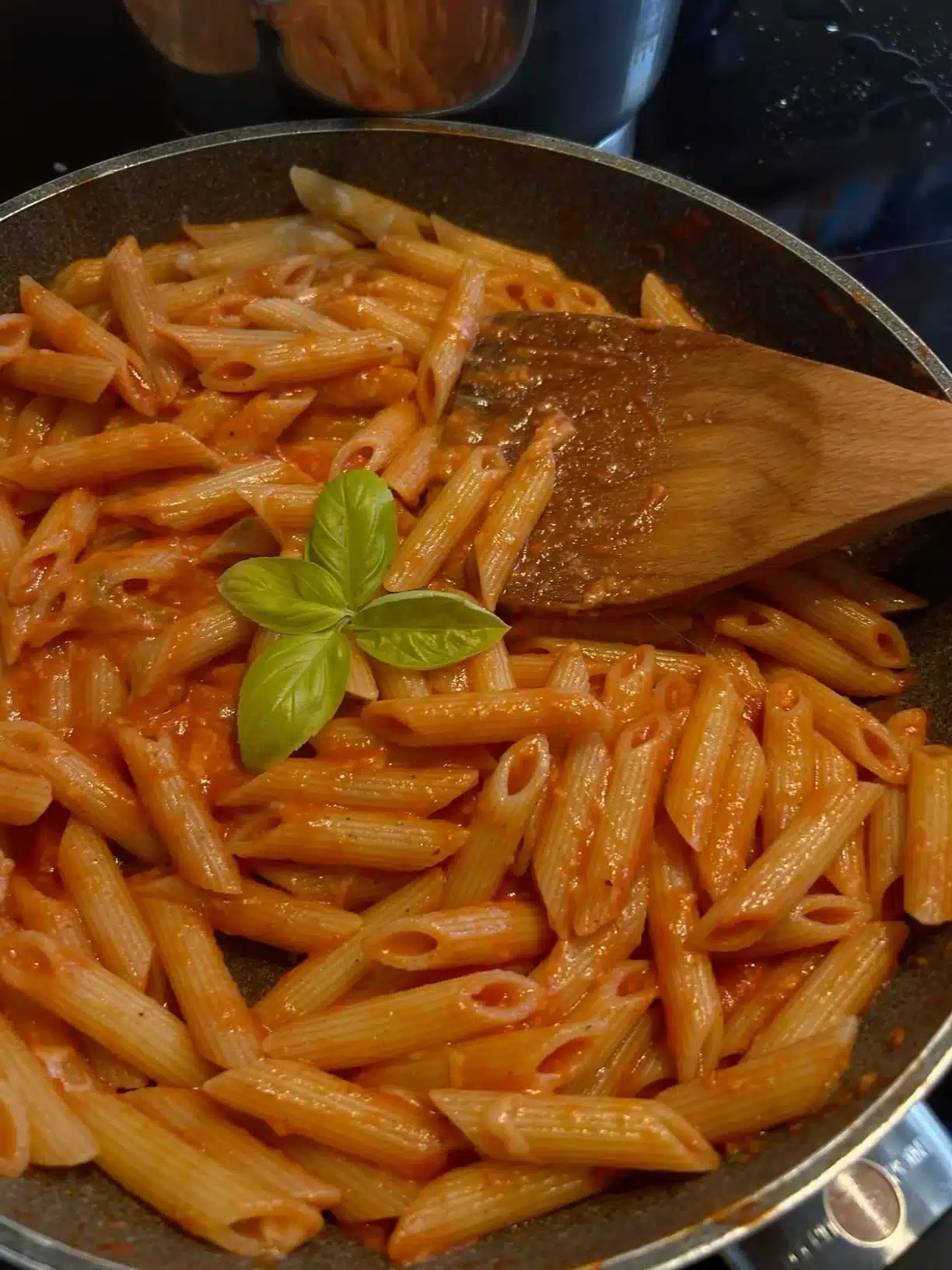
-
Knead the Dough:
Knead the dough for about 8-10 minutes until it becomes smooth and elastic. If the dough is too dry, add a little water; if it is too sticky, sprinkle with a little more flour. -
Rest the Dough:
Wrap the dough in plastic wrap and let it rest for at least 30 minutes at room temperature. This helps the gluten relax. -
Roll Out the Dough:
After resting, divide the dough into four pieces. Keep the pieces you are not using covered. Use a rolling pin or a pasta machine to roll out each piece until it reaches your desired thickness. -
Cut the Pasta:
Once rolled out, you can cut the pasta into your favorite shape—fettuccine, tagliatelle, or even lasagna sheets. Use a sharp knife or a pasta cutter for even edges. -
Cook the Pasta:
Bring a large pot of salted water to a boil. Add the pasta carefully and cook for about 2-4 minutes, depending on the thickness. Fresh pasta cooks quickly, so keep an eye on it. -
Drain and Serve:
Once cooked, drain the pasta in a colander. Serve immediately with your favorite sauce or toppings.
Why You’ll Love This Pasta
Pasta is a versatile dish that you can enjoy in many ways. You can pair it with a variety of sauces such as marinara, Alfredo, or pesto. It is a comfort food that brings people together and is perfect for any occasion, whether it’s a cozy dinner for two or a big family gathering. Making your own pasta allows for customization and freshness that store-bought options may not provide. The joy of rolling and cutting your own pasta makes cooking a fun experience!
Nutriment Benefits
Pasta can be a healthy meal choice when made with whole-grain flour or served with plenty of vegetables. Here are some benefits:
| Nutrient | Benefit |
|——————-|————————————|
| Carbohydrates | Provide energy for daily activities |
| Protein | Helps build and repair tissues |
| Fiber | Aids digestion and keeps you full |
| B vitamins | Support your metabolism |
What to Serve With Pasta
Pasta pairs well with many dishes. Here are some great options:
- Sauces: Tomato-based, cream sauces, or olive oil and garlic.
- Proteins: Grilled chicken, shrimp, or meatballs for added flavor.
- Vegetables: Sauteed spinach, roasted peppers, or steamed broccoli for color and nutrients.
- Cheese: Sprinkle with Parmesan or mozzarella for that extra cheesy goodness.
How to Store Pasta
If you have leftovers or made extra pasta, storing is simple:
- Fresh Pasta: It can be kept in an airtight container in the refrigerator for up to 2 days. For longer storage, freeze it for up to 2 months.
- Cooked Pasta: Store in a sealed container in the fridge for about 3-5 days. If you plan to store it longer, consider freezing it. Just make sure to add a little oil to prevent sticking.
Tips and Mistakes to Avoid
- Not Kneading Enough: Don’t rush the kneading process. Adequate kneading makes the pasta smooth.
- Ignoring Rest Time: Letting the dough rest helps with elasticity, giving you better results.
- Over or Undercooking: Always taste the pasta while cooking; it should be al dente.
- Not Using Enough Salt: Adding salt to the boiling water is crucial for flavor.
Variation
Pasta can be easily adapted to suit your taste:
- Different Flours: Try using whole wheat, semolina, or gluten-free flour for a unique twist.
- Add Ins: Incorporate herbs like spinach or beet puree in the dough for color and flavor.
- Sauce Variations: Experiment with different sauce bases, such as seafood, cheesy, or even vegetable-based sauces.
FAQs
1. How long does homemade pasta last?
Homemade pasta is best used fresh but can be refrigerated for 2 days or frozen for 2 months.
2. Can I make pasta without eggs?
Yes, you can make egg-free pasta by using just flour and water, although the texture may vary.
3. How do I know when pasta is cooked?
Taste it! It should be tender but still firm, which is known as al dente.
Making pasta from scratch is not just about filling your stomach; it’s about the experience and joy of cooking. Dive into the world of pasta-making, and enjoy the rewards that come from creating such a classic dish!
Pasta
Ingredients
Pasta Dough Ingredients
- 2 cups all-purpose flour
- 3 large eggs
- 1 teaspoon salt
- 1 tablespoon olive oil
- Water (as needed) Add as necessary for adjusting dough consistency.
Instructions
Preparation
- Start by placing the flour on a clean work surface. Create a small well in the center of the flour mound. Add the eggs, salt, and olive oil into the well.
- Using a fork, slowly mix the flour into the eggs until combined. Once it starts to come together, use your hands to knead the dough.
Kneading
- Knead the dough for about 8-10 minutes until it becomes smooth and elastic. If the dough is too dry, add a little water; if it is too sticky, sprinkle with a little more flour.
Resting
- Wrap the dough in plastic wrap and let it rest for at least 30 minutes at room temperature. This helps the gluten relax.
Rolling Out the Dough
- After resting, divide the dough into four pieces. Keep the pieces you are not using covered. Use a rolling pin or a pasta machine to roll out each piece until it reaches your desired thickness.
Cutting and Cooking
- Once rolled out, you can cut the pasta into your favorite shape—fettuccine, tagliatelle, or even lasagna sheets. Use a sharp knife or a pasta cutter for even edges.
- Bring a large pot of salted water to a boil. Add the pasta carefully and cook for about 2-4 minutes, depending on the thickness. Fresh pasta cooks quickly, so keep an eye on it.
- Once cooked, drain the pasta in a colander. Serve immediately with your favorite sauce or toppings.